Scott 3200A Tailwheel – Fully Rebuilt: Precision Steering for Taildragger Aircraft
Scott 3200A Tailwheel – Fully Rebuilt: Precision Steering for Taildragger Aircraft
Blog Article
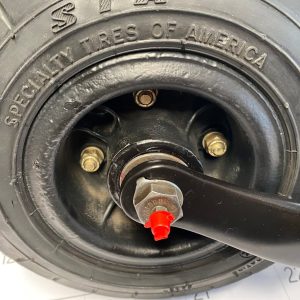
The Scott 3200A Tailwheel – Fully Rebuilt combines an established aviation design with inspected, serviced, adjusted, and replaced components intended to restore dependable mechanical operation. The meaning of fully rebuilt should be supported by information describing disassembly, cleaning, inspection, measurement, lubrication, component replacement, reassembly, adjustment, and functional testing.
The Scott 3200A Tailwheel Assembly should be matched with the aircraft tail spring, mounting arrangement, steering linkage, operational weight, and approved configuration. Professional rebuilding can renew worn mechanical relationships when suitable components and procedures are used.
An Aircraft Tailwheel Assembly supports the rear of a conventional-gear airplane and contributes to directional control throughout ground operations. A properly maintained General Aviation Tailwheel can support predictable directional control and long-term serviceability.
Whether operators are sourcing a Heavy-Duty Aircraft Tailwheel, Tailwheel Aircraft Parts, or Aircraft Steering Tailwheel, condition and documentation should remain central.
Exploring the Scott 3200 Tailwheel Design
The Scott 3200A combines mechanical steering and swivel functions in a design familiar to many tailwheel pilots, restorers, and aviation maintenance professionals. A system-level evaluation can identify the true cause of binding, looseness, poor centering, irregular tire wear, or inconsistent ground control.
Maintaining a Scott 3200A Tailwheel Assembly
Actual operation depends on the complete aircraft installation rather than the tailwheel assembly alone. Detailed documentation gives buyers a stronger basis for comparing available Scott 3200A Tailwheel Assemblies.
Evaluating a Rebuilt Scott Tailwheel Assembly
Final adjustment and functional testing should confirm that the Scott Tailwheel Assembly operates consistently. Cosmetic refinishing should remain secondary to mechanical condition and structural integrity.
Choosing an Aircraft Tailwheel Assembly
The assembly carries tail weight while managing runway irregularities, side loads, repeated landing cycles, and directional forces. Weak, broken, or mismatched steering springs may reduce directional response or create irregular control.
General Aviation Tailwheel Reliability
Maintenance intervals should reflect actual operating conditions rather than calendar time alone. Training aircraft may accumulate frequent taxi and landing cycles, while bush airplanes may experience greater surface irregularity and impact loading.
Maintaining an Aircraft Tailwheel
An Aircraft Tailwheel supports the rear fuselage and helps the airplane move during taxiing, parking, turning, takeoff, and landing. The axle and bearings should be included in routine maintenance and rebuild inspection.
Benefits of a Taildragger Tailwheel
A responsive and correctly adjusted tailwheel can contribute to predictable taxiing and controlled turning. Repeated hard pivoting can increase wear on the tire, bearings, springs, steering arms, fork, and mounting hardware.
Understanding an Aviation Tailwheel System
A complete inspection helps avoid unnecessary replacement and repeated troubleshooting. Excessive slack can delay steering response, while excessive tension may restrict movement or overload components.
Maintaining a Tailwheel Steering Assembly
A professional rebuild should address the complete Tailwheel Steering Assembly rather than only visible exterior parts. The mechanism should not interfere with surrounding structure, chains, springs, fairings, or nearby aircraft components.
Aircraft Taxi Steering Performance
A correctly adjusted tailwheel may support smoother maneuvering without excessive brake use. Ground personnel should avoid forcing the aircraft beyond suitable steering limits.
Scott 3200 Tailwheel Applications
The Scott 3200 Series Tailwheel has become familiar within general aviation through its use on numerous conventional-gear aircraft and restoration projects. Different Scott 3200 variants, later read more manufacturing versions, replacement parts, and modified assemblies may exist.
Heavy-Duty Aircraft Tailwheel Applications
Rugged operations may involve gravel, grass, dirt, uneven surfaces, frequent cycles, contamination, and repeated loading. Preventive maintenance supports reliable Heavy-Duty Aircraft Tailwheel operation.
Maintaining Tailwheel Components
Every component should match the intended Scott assembly and aircraft installation. Replacing only the most obvious damaged component may not correct the underlying issue.
Maintaining Aircraft Steering Components
Alignment and steering-link condition influence how accurately the wheel follows pilot input. Uneven tire wear may indicate alignment, bearing, or steering concerns.
Replacement Aircraft Tailwheel Guide
The removed assembly can provide useful measurements, markings, hardware details, and steering-arm orientation. Rebuild documentation should accompany the assembly when available.
Maintaining General Aviation Gear Components
Each component contributes to aircraft support, ground control, steering, braking, or load absorption. Transparent descriptions support trust among aircraft owners, sellers, and maintenance professionals.
Evaluating a Scott 3200A Tailwheel
The seller should disclose which parts were replaced, which components were retained, and whether repairs or limitations remain.
- Confirm that the assembly is a Scott 3200A, review all visible markings, compare mounting details, and verify the wheel-and-fork configuration for the intended aircraft.
- Arrange professional evaluation when rebuild quality, structural condition, or internal serviceability remains uncertain.
- Inspect and photograph the assembly immediately after delivery before installation, adjustment, disassembly, lubrication changes, or modification.
Scott Tailwheel Fitment and Adjustment
Every fastener and component should match the intended installation and remain properly secured. The tailwheel should move through its intended range without binding, abnormal looseness, interference, or contact with surrounding components.
Controlled taxi testing may help confirm steering response, centering, ground tracking, brake interaction, and shimmy resistance.
Maintaining the Scott 3200A Tailwheel
The rebuilt assembly should be inspected according to aircraft use, operating surface, maintenance requirements, and observed condition. Recurring shimmy or unusual tire wear should be diagnosed rather than addressed through repeated adjustment without identifying the cause.
Cleaning methods should avoid forcing dirt deeper into bearings, bushings, and internal steering components.
Scott 3200A Tailwheel Conclusion
When professionally inspected, installed, adjusted, tested, and maintained, the Scott 3200A Tailwheel – Fully Rebuilt can become a reliable component of a compatible conventional-gear aircraft. The assembly should be judged according to total installation suitability rather than fresh paint, brand recognition, appearance, or price alone.
Whether the requirement is a Scott 3200A Tailwheel Assembly, Scott Tailwheel Assembly, Aircraft Tailwheel Assembly, or General Aviation Tailwheel, exact installation details should guide the purchase. With responsible operation, protected shipping, timely maintenance, and organized documentation, the rebuilt tailwheel can remain a valuable aviation component.
Report this page